

1. Definition and Characteristics of Gel-based Cosmetics
Gels are three-dimensional network polymer systems where water is locked within the interstitial spaces of the molecular chains, resulting in a semi-solid morphology. Key characteristics include:
★Physical State: Transparent/Semi-transparent jelly-like consistency (Viscosity 50,000-500,000 mPa·s), strong thixotropy (increased flow under external force).
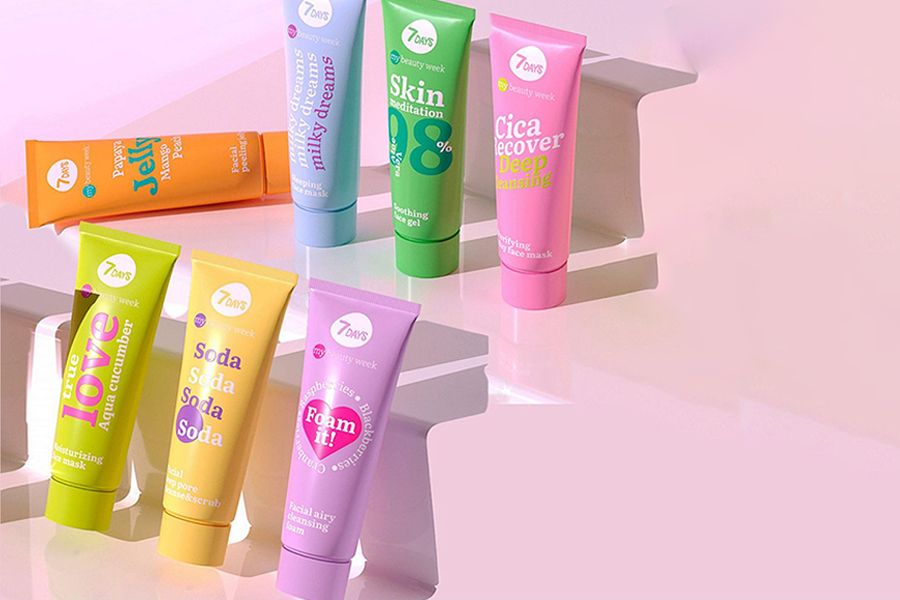
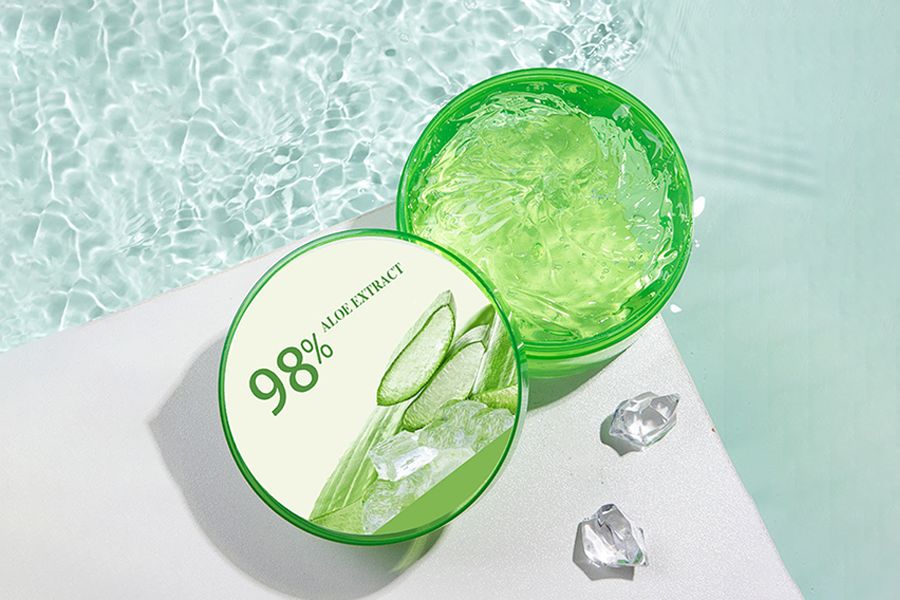
★Structure Types: Water-based gels (Aloe Vera gel), Oil-based gels (Cleansing balms), Silicone-based gels (Primers).
Failure Risks:
★Dehydration & Shrinkage (Water evaporation >5%) → Product collapse.
★Polymer Chain Breakdown (High heat/UV exposure) → Liquefaction and water separation (syneresis).
★Migration of Alcohol/Acid components → Packaging corrosion.
2. Main Product Categories
| Category | Representative Products | Core Components | Packaging Challenge |
| Skincare Gels | Aloe Vera gel, Hydrating masks | Carbomer/Cellulose | Prevent water evaporation (High sealing) |
| Efficacy Gels | Vitamin C brightening gel, Retinol gel | Ethanol/Propylene Glycol | Prevent ingredient migration + Light protection |
| Special Function Gels | Cooling sports gel, Scalp scrub | Menthol/Exfoliating particles | Prevent particle settling + Wide opening for easy access |
| Color Cosmetics Gels | Primer gel, Lash base | Silicone film-formers | Prevent oxidation/film formation (Oxygen barrier) |
3. Packaging Solution Design for Gels
3.1 Technical Matching Table for Packaging Types
| Packaging Form | Structural Features | Suitable Gel Types | Selection Rationale | Risk Notes |
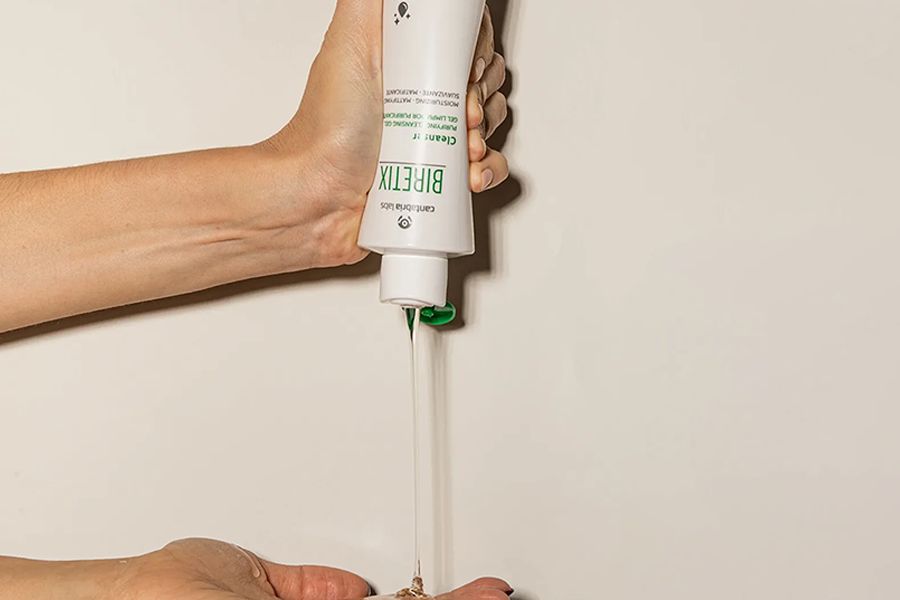
| Airless Pump Bottle | Collapsible pouch + No dip tube | High-purity Aloe Vera gel | Complete air isolation, >95% prevention of drying | Cost +40%, suitable for viscosity <200,000mPa·s |
| Aluminum Tube | Epoxy internal coating | Acid-containing gels (Salicylic acid) | 100% light protection + Acid corrosion resistance | Prone to damage during high-pressure filling |
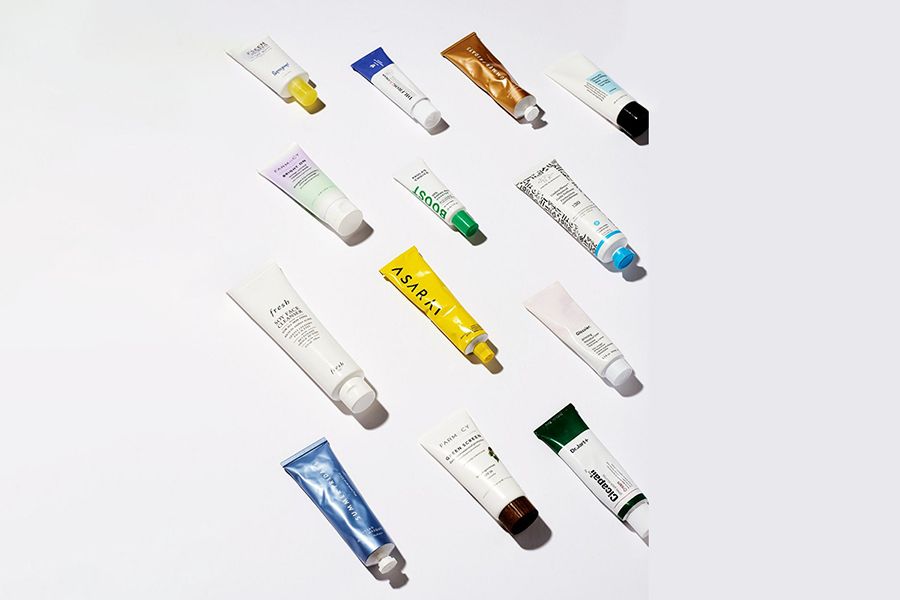
| Squeeze Tube/Bottle | LDPE bottle + Fine tip | Color cosmetic gels | Precise dosage control, prevents oxidation | Relatively high WVTR (>0.5g/pkg·day) |
| Wide-mouth Jar | Glass/PET jar + Sealing inner lid | Gels with exfoliating particles | Easy scooping, prevents sedimentation | Risk of secondary contamination ↑30% |
| Aerosol Can | Aluminum can + Mechanical break-up valve | Cooling sports gels | Instant misting, even application feel | Stringent propellant compatibility requirements |
3.2 Key Design Dimension Decision Model
3.3 Typical Technical Solutions:
★10% Vitamin C Brightening Gel → Amber glass bottle + Airless pump (Light protection + Oxygen barrier to prevent deactivation)
★Salicylic Acid Acne Gel → Epoxy-coated aluminum tube + Fine tip (Corrosion resistance + Precise application)
★Copper Peptide Repair Gel → UV-protective PET jar + Antimicrobial inner lid (Prevents photodegradation + Microbial contamination)
4. Key Points for Procurement of Gel Packaging
4.1 Mandatory Quality Compliance Indicators
| Test Item | Acceptance Standard | Test Method | Consequence of Failure |
| Migration Test | Ethanol migration ≤10μg/cm² | GB 31604.1-2015 | Packaging swelling leading to leakage |
| WVTR (Water Vapor Transmission Rate) | <0.05 g/pkg·day | ASTM F1249 | Gel shrinkage/weight loss >5%, complaints ↑40% |
| Seal Integrity | No leakage at -90kPa vacuum | ASTM D4991 | Ingredient volatilization, efficacy loss |
| UV Blocking Rate | UVA blocking rate >99% | ISO 24443 | Photo-sensitive ingredient deactivation (e.g., Copper Peptides) |
4.2 Total Cost of Ownership (TCO) Control Strategy
5. Industry Trends and Procurement Response
| Trend | Technical Solution | Procurement Action Item | Business Value |
| Smart Anti-Counterfeiting | NFC chip integrated cap | Establish annual contracts with IC suppliers | Counterfeit complaints ↓95%, premium +$6/unit |
| Ultra-Barrier Coatings | Nano-silica coating (<100nm) | Verify scratch resistance >5,000 cycles | WVTR ↓90%, shelf life extended to 36 months |
| Bio-based Materials | Corn starch modified PLA bottles | Secure production capacity (MOQ ≥1 million units) | Carbon footprint ↓65%, FDA GRAS compliance |
| Regulatory Alert | China’s 2025 Plastic Restriction Upgrade | Phase out PVC labels, switch to PP synthetic paper | Avoid channel delisting |