

Lotion-type cosmetics are one of the main product categories within skincare. This article briefly outlines the product definition of lotion-type cosmetics and their packaging solutions, providing a summary analysis of product classification, packaging types, design rationale, key procurement points, and the underlying reasons.
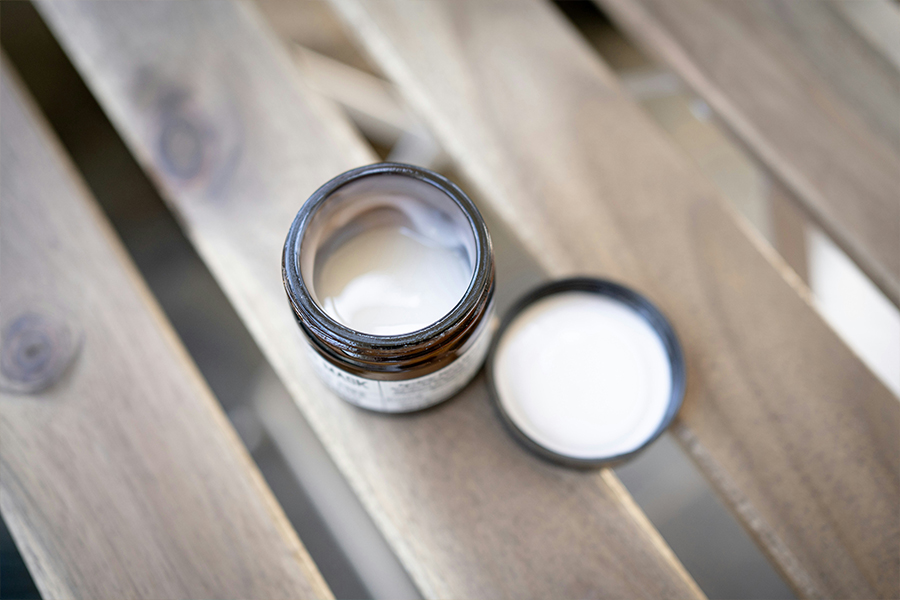
1. Definition and Characteristics of Lotion-Type Cosmetics
1. Product Definition
Lotions are semi-fluid systems formed by the emulsification of water and oil phases, with a viscosity between toners (<100 mPa·s) and creams (>100,000 mPa·s). Key characteristics:
★Physical State: Flowable at room temperature but does not drip (Viscosity 1,000-50,000 mPa·s)
★Structure Type: Oil-in-water (O/W, lightweight feel) or Water-in-oil (W/O, rich/emollient feel)
★Failure Risks: Separation/Phase separation (shaking/high temperature), Oxidation of active ingredients (oxygen permeation), Moisture evaporation (insufficient sealing)
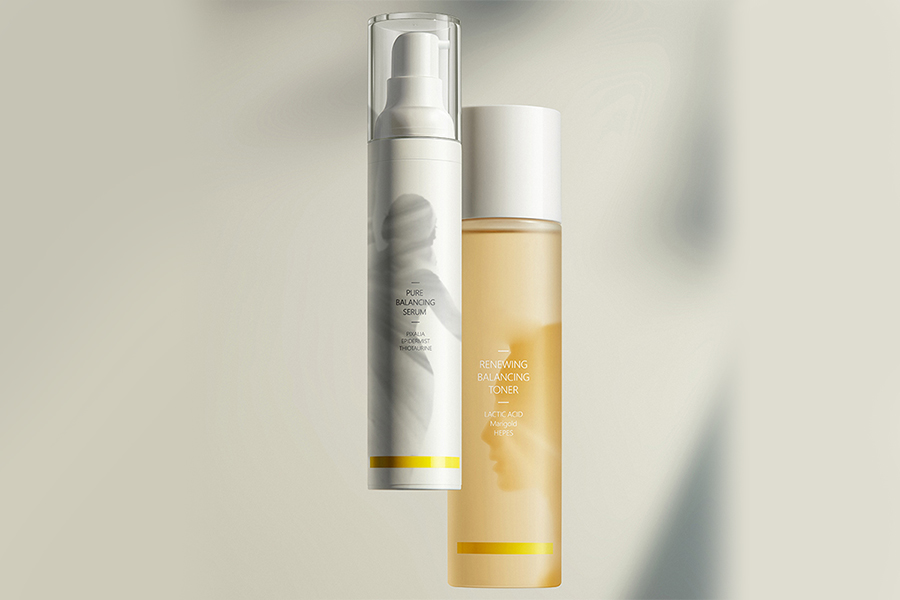
2. Product Examples
| Category | Representative Products | Viscosity Range | Core Packaging Challenge |
| Facial Lotions | Moisturizing Lotions, Sunscreen Lotions | 5,000-15,000 mPa·s | UV protection degradation, Precise dispensing |
| High-Activity Lotions | Anti-Aging Serums, Vitamin C Lotions | 10,000-30,000 mPa·s | Oxygen barrier protection (airless systems) |
| Body Lotions | Body Milks, Whitening Body Lotions | 20,000-50,000 mPa·s | Pumping high-viscosity liquid (air bubble pump) |
| Special Textures | Makeup Remover Milk, Massage Milk (with granules) | 8,000-40,000 mPa·s | Preventing sedimentation/clogging, Wide mouth for easy access |
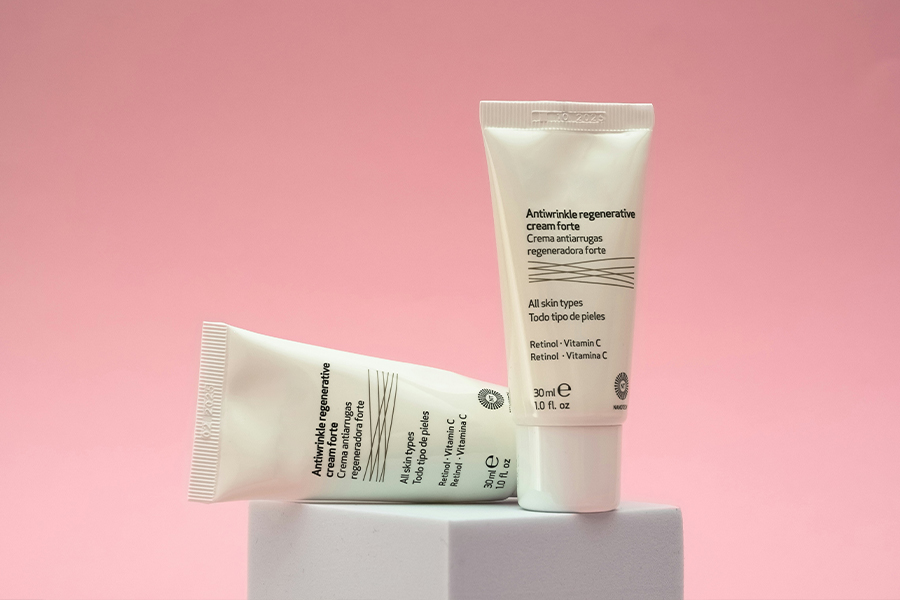
2. Packaging Solution Design for Lotions
1. Main Packaging Types and Technical Compatibility
| Packaging Form | Structural Features | Suitable Lotion Types | Reason for Selection | Limitations |
| Airless Pump Bottle | Air isolation + Spring reset | High-activity anti-aging lotions | Oxygen barrier >99.9%, extends active ingredient lifespan | Higher cost (+40% vs standard pump) |
| Laminate Tube | Multi-layer composite + Fine tip | Sunscreen/Pharmaceutical lotions | Dual oxygen/moisture barrier, >95% evacuation rate | Prone to deformation under high pressure during shipping |
| Air Bubble Pump Bottle | Elastic inner container, no dip tube | High-viscosity body lotions | Relies on air bubble contraction, solves suction issues with thick liquids | High requirements for inner material compatibility |
| Wide-Mouth Jar | Glass jar + Sealing inner lid | W/O type rich lotions | Prevents moisture evaporation leading to oil phase separation | Higher risk of secondary contamination |
| Refill System | PCR Plastic Bottle + Stand-up pouch | Large volume refills | Reduces plastic use by ~50%, carbon footprint by ~35% | Reduced consumer convenience |
- Key Design Dimension Decision Logic
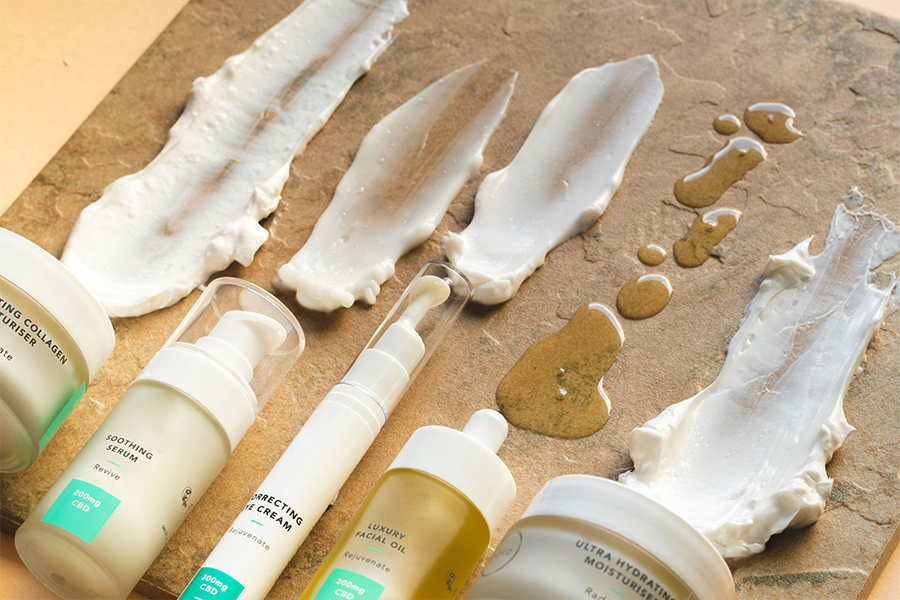
3. Typical Technical Solution Examples:
★Vitamin C Antioxidant Lotion → Amber glass bottle + Airless pump (Light protection + Oxygen barrier)
★Children’s Moisturizing Lotion → HDPE bottle + Non-returnable pump (Anti-contamination)
★Clean Beauty Lotion → Sugarcane-based plastic bottle + FSC certified paper box
3. Key Points and Risk Control in Lotion Packaging Procurement
Four Key Procurement Decision Metrics
| Dimension | Key Parameters | Acceptance Standard | Failure Risk |
| Compatibility | Migration testing (30 days/40°C) | Non-volatile substance increase ≤0.1% | Ingredient inefficacy, safety violation fines (>$2M) |
| Barrier Properties | OTR (Oxygen Transmission Rate) <0.5 cc/pkg·day WVTR (Water Vapor Transmission Rate) <0.1 g/pkg·day | Tested using MOCON instruments | Product discoloration/odor change, >15% return rate |
| Mechanical Performance | Pump activation force ≤3.5N (thin lotions) ≤8N (thick lotions) | Simulated consumer use testing | Increased negative reviews, ~20% drop in repurchase rate |
| Eco-Compliance | PCR content ≥30% (EU 2030 mandatory requirement) | Provide GRS certification chain | Product banned from EU marke |