

This article will provide a detailed introduction to the principles, processes, characteristics, and applications of screen printing, gravure printing, UV printing, offset printing, digital printing, heat transfer printing, and foil stamping (gold/silver stamping).
**1. Screen Printing**
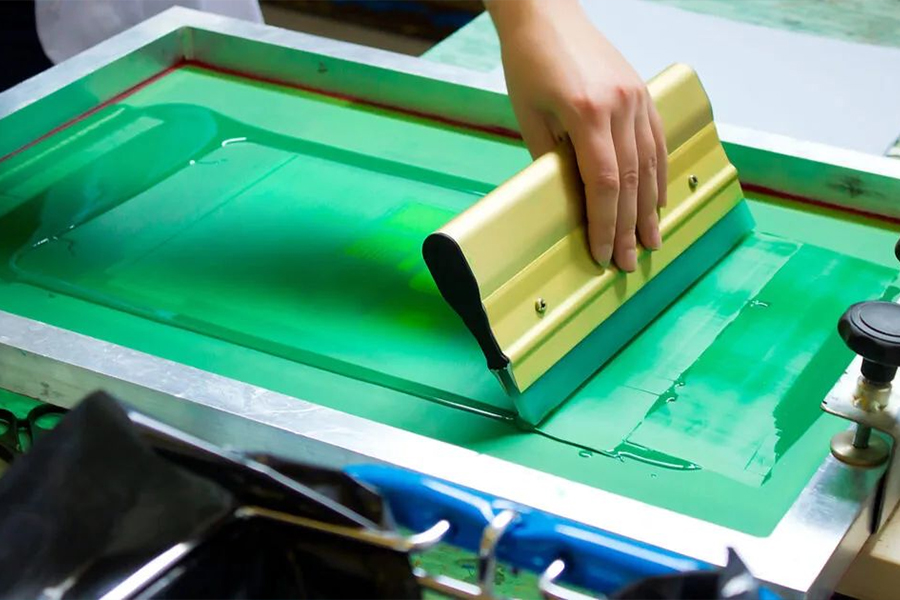
**Basic Principles and Process Flow**
Screen printing is a stencil printing technique. Its basic principle involves using a mesh screen as the base. A stencil with the desired image is created on the screen using a photomechanical process. During printing, ink is forced through the open mesh areas of the stencil onto the substrate using a squeegee, replicating the original image. The process flow generally consists of the following steps:
1. Prepare the screen frame and sensitized emulsion; clean the frame and remove any grease.
2. Exposure: The emulsion-coated screen is tightly pressed against the film positive in a exposure unit and exposed to a light source.
3. Development: The screen is rinsed with warm water, using a spray jet to wash away the non-exposed (non-hardened) areas of the emulsion.
4. Film Application: The exposed and developed film’s emulsion side is applied to the screen, ensuring firm contact.
5. Drying: The screen with the applied stencil is placed in an oven to dry, making it ready for printing.
**Application Fields and Characteristics**
Screen printing has a very wide range of applications, including but not limited to the following industries:
* Glass packaging industry: Printing text or patterns on glass containers.
* Plastic packaging industry: Printing on plastic films for packaging, protecting items from external factors.
* Metal packaging industry: Printing on metal containers, requiring strong ink adhesion and abrasion resistance.
* Paper packaging industry: Printing patterns on paper to enhance product packaging grade.
* Ceramic packaging industry: Printing patterns on ceramic products to increase aesthetic appeal.
Characteristics of screen printing include:
* Strong adaptability: Can print on flat, curved, spherical, and irregular surfaces.
* Thick ink layer: The ink layer thickness can generally reach 30μm, providing strong three-dimensionality.
* Vibrant colors: Utilizes various inks and coatings, offering strong color representation.
* High lightfastness: Suitable for outdoor advertisements, signs, and other prints长时间 exposed to sunlight.
* Flexible print size: Capable of large-area printing or ultra-small, ultra-high-precision printing on special items.
* Simple operation: Simple equipment, easy operation, suitable for both manual craft production and mechanized production.
Due to its unique advantages, screen printing is often called the “King of Decorative Printing” in the field of decorative printing. It is suitable for printing on a variety of materials and is one of the printing methods with the widest application scope.
**2. Gravure Printing**
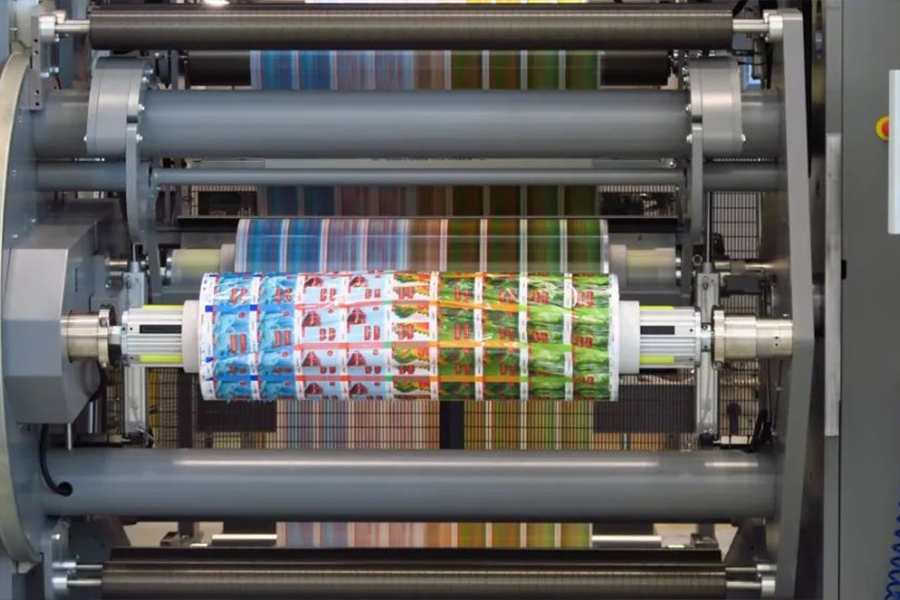
**Printing Principle and Characteristics**
Gravure printing is a direct printing method. Its core principle utilizes recessed cells on the printing plate to hold ink. Pressure from the printing press transfers the ink from these cells onto the substrate, forming clear patterns and text.
Printing Principle:
* The gravure cylinder (plate) is key; its image areas are recessed below the non-image areas, forming engraved cells.
* Ink is filled into these recessed cells, while the non-image areas (the cylinder surface) remain clean.
* During printing, the pressure from the press transfers the ink from the cells onto the substrate, forming the desired image.
Characteristics:
* Thick ink layer: The ink layer in gravure printing is typically thicker than other methods, often exceeding 20μm, resulting in more vibrant and three-dimensional prints.
* Vibrant colors: Due to the thick ink layer, gravure achieves high color saturation, suitable for high-quality color images.
* High print durability: Gravure cylinders are highly durable, capable of withstanding millions of impressions, making them suitable for large-volume production.
* Wide applicability: Gravure printing is suitable for various substrates, including paper, plastic films, metal foils, etc., meeting different product printing needs.
* Continuous printing: Gravure presses allow for high-speed continuous printing, suitable for long-run print jobs.
* Good anti-counterfeiting properties: Often used for printing securities, anti-counterfeiting labels, etc., because the printed patterns are difficult to replicate.
**Application Scope**
Due to its unique advantages, gravure printing is widely used in numerous fields:
* Packaging printing: Extensively used in the packaging industry, especially for flexible plastic packaging, cartons, labels, etc., providing high-quality printing results.
* Publication printing: In Europe and America, often used for high-volume print products like newspapers and mail-order advertisements.
* Security printing: Due to its good anti-counterfeiting properties, it is suitable for printing currency, stamps, securities, and other valuable documents.
* Decorative printing: On decorative materials like wallpaper, it can print continuous patterns, enhancing product aesthetics.
* Industrial printing: In the industrial sector, used for printing circuit boards, decorative films for electronics, etc., favored for its fine lines and thick ink layers.
The high durability and vibrant colors of gravure printing give it significant cost advantages in long print runs. Although plate-making costs are high, the unit printing cost is lower for large volumes, securing its important position in the market.
**3. UV Printing**
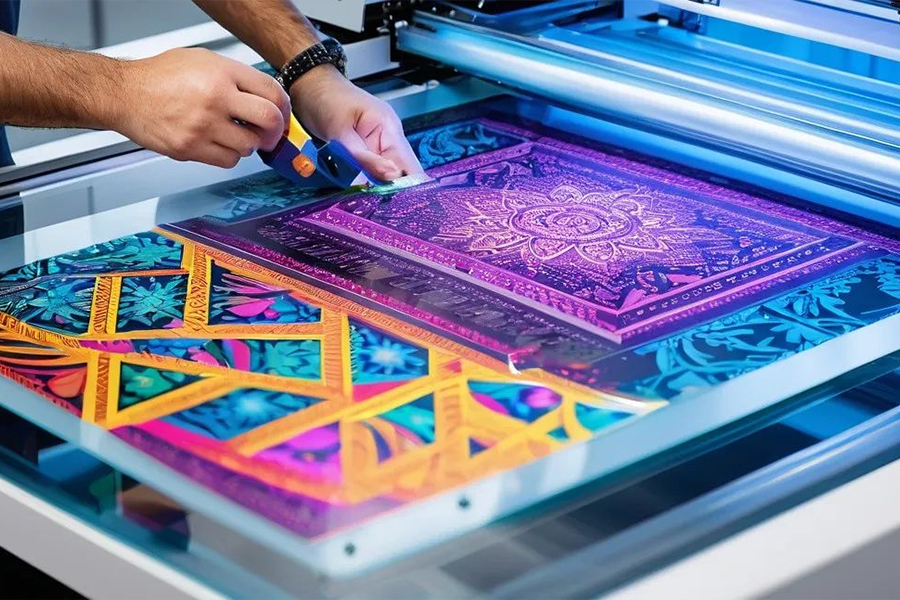
**UV Inks and Curing Technology**
The core of UV printing technology lies in UV inks and the curing process. UV ink is a specially formulated ink whose key components rapidly cure into a film when exposed to ultraviolet (UV) light.
Composition of UV Inks:
* Prepolymers: The main component, usually accounting for 50-70% of the ink’s total weight.
* Monomers: Act as reactive diluents, adjusting the ink’s viscosity and improving its printability.
* Photoinitiators: Generate free radicals under UV exposure, initiating the polymerization reaction of prepolymers and monomers.
* Pigments: Provide the ink’s color; can be organic or inorganic.
Curing Process:
* UV curing is a photochemical reaction; liquid UV ink cures rapidly under UV light exposure.
* Curing speed is influenced by factors like UV source intensity, wavelength, ink layer thickness, and substrate transparency.
* The power density of the UV lamp is crucial for curing effectiveness; common specifications range from 40 W/cm to 2000 W/cm.
Curing Equipment:
* UV Lamp Types: Include mercury lamps and LED cold light source lamps. The latter is gradually becoming mainstream due to advantages like lower energy consumption, longer lifespan, and instant start-up.
* Cooling Methods: Fan-cooled and water-cooled. The former is simpler to maintain but may cause thermal deformation of materials; the latter offers better cooling but is more complex to maintain.
**Advantages and Limitations**
UV printing technology offers distinct advantages in the modern printing industry but also has some limitations.
Advantages:
* Rapid curing: UV inks cure almost instantly under UV light, significantly improving production efficiency.
* Environmental friendliness: UV inks contain no Volatile Organic Compounds (VOCs), making them environmentally friendly.
* Wide applicability: Suitable for various substrates, including non-absorbent and absorbent materials.
* High gloss: The cured ink layer has high gloss and is resistant to abrasion and corrosion.
* Space saving: Eliminates the need for powder spraying and long drying times associated with traditional printing, saving post-press processing space.
Limitations:
* Cost: UV inks and curing equipment are relatively expensive, increasing production costs.
* Technical requirements: Requires specific control over operating environment temperature and humidity to ensure print quality.
* Ink adhesion: The curing process can generate significant internal stress, potentially affecting ink adhesion to the substrate.
* Equipment maintenance: UV lamps have a limited lifespan, require regular replacement, and maintenance costs are higher.
* Color performance: On some materials, color saturation might not match that of traditional inks.
In summary, UV printing technology, with its speed, eco-friendliness, and high gloss, demonstrates strong market competitiveness in packaging printing and high-end commercial printing. However, higher costs and technical requirements limit its adoption in some applications. With continuous technological advancements, UV printing is expected to play an increasingly important role in the future printing industry.
**4. Offset Printing**
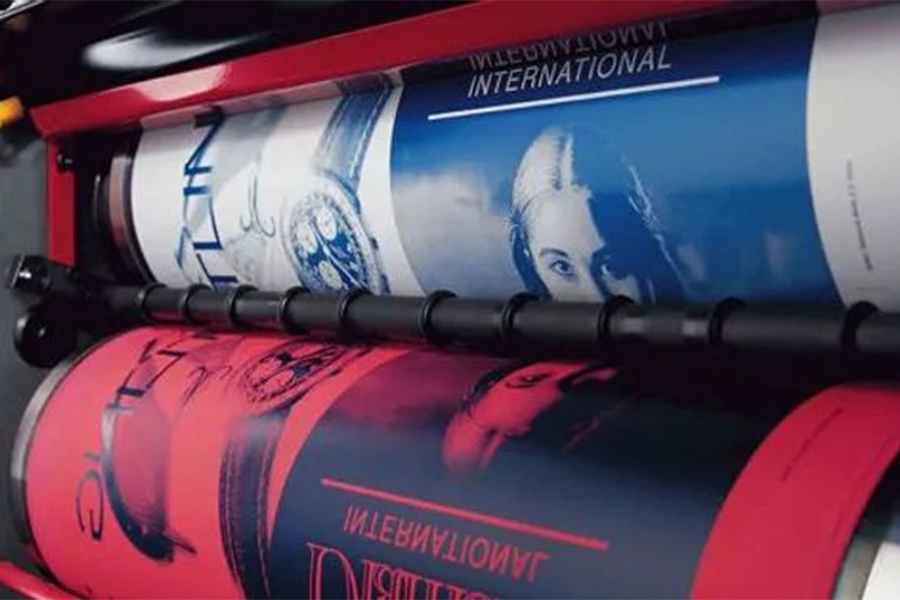
**Indirect Printing Principle**
Offset printing, also known as lithography, is a widely used indirect printing technique. Its core principle is based on the mutual repulsion of ink and water, utilizing the interaction between image and non-image areas to transfer the printed image.
Printing Principle:
* The offset plate is flat; both image (oleophilic) and non-image (hydrophilic) areas are on the same plane but have different surface energies. The image areas are ink-receptive and water-repellent, while the non-image areas are water-receptive and ink-repellent.
* During printing, dampening form rollers first apply fountain solution to the hydrophilic non-image areas of the plate cylinder. Then, multiple ink form rollers apply ink to the oleophilic (ink-receptive) image areas of the plate cylinder.
* Ink and fountain solution form a stable distribution on the plate. Subsequently, the ink is transferred from the plate cylinder to the blanket cylinder. Under the pressure of the impression cylinder, the ink is then transferred from the blanket cylinder to the substrate, forming the print.
Characteristics:
* Offset is an indirect printing method; ink is first transferred to a rubber blanket and then to the paper or other substrate.
* It achieves high-quality printing results with clear images and vibrant colors, suitable for mass production.
* Offset presses can handle various substrates like paper, plastic, metal, etc., offering wide applicability.
* It employs water-ink balance technology, precisely controlling the amount of ink and fountain solution to ensure print quality.
**Quality Control and Application**
Quality control in offset printing is a key link to ensure print quality, involving aspects like printing pressure, water-ink balance, and registration accuracy.
Quality Control:
* Printing Pressure: Proper pressure ensures uniform ink transfer, avoiding blurred impressions or paper damage from excessive pressure.
* Water-Ink Balance: Precisely control the pH and amount of fountain solution to ensure stable ink transfer and a clean plate.
* Registration Accuracy: Precise equipment adjustment and monitoring ensure accurate alignment of different color plates in multi-color printing, avoiding color distortion.
* Color Management: Use color control systems to ensure color consistency and accuracy, meeting high customer standards.
* Printing Materials: Select appropriate paper and inks; the ink absorption and surface characteristics of different papers affect the print result.
Application Fields:
* Packaging printing: Widely used in the packaging industry (e.g., food, cosmetics, pharmaceuticals), providing exquisite visual effects and good print quality.
* Publication printing: Printing of books, magazines, newspapers, etc., where offset meets high-volume, high-quality production demands.
* Commercial printing: Business cards, stationery, envelopes, etc., where offset provides stable and efficient printing services.
* Advertising printing: Billboards, posters, brochures, etc., where offset achieves high definition and vibrant colors to attract the target audience.
Offset printing technology holds a significant position in the printing industry due to its high efficiency, quality, and wide applicability. Through strict quality control and continuous technological innovation, offset will continue to play a key role in various printing applications.
**5. Digital Printing**
**Digital Printing Technology and Characteristics**
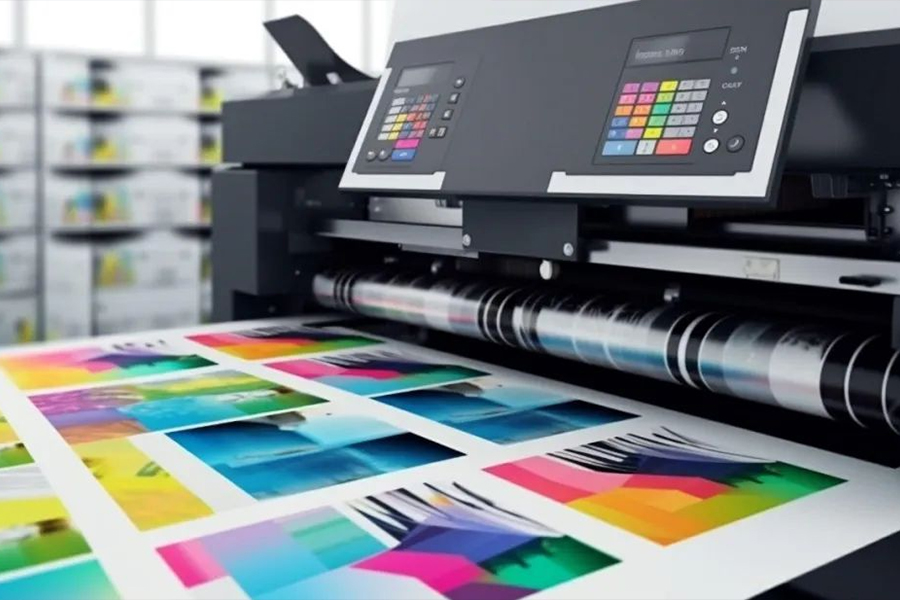
Digital printing is a production method that uses digital technology for printing. It directly controls the printer from a digital file, eliminating the need for physical plates, enabling fast and flexible printing services.
Technical Characteristics:
* Direct digital printing: No traditional plate-making process; digital files are sent directly to the printing device for rapid printing.
* Variable Data Printing (VDP): Each print can be different, suitable for personalized needs like variable barcodes, personalized images, etc.
* On-demand printing: Digital printers can adjust printing parameters instantly, adapting to different order requirements and shortening production cycles.
* Cost-effectiveness for short runs: No large-scale plate costs make short runs economical, suitable for print-on-demand.
* Color management: Equipped with high-precision color management systems ensuring color consistency and accuracy.
* Environmental friendliness: The process requires no chemicals, generates less waste and wastewater, reducing environmental impact.
Technical Advantages:
* Rapid response: Quick parameter adjustment adapts to urgent orders and fast-changing market demands.
* Personalized services: Meets personalized printing needs, offering customized services that add value.
* Flexible printing options: Easily handles various file formats, supports multiple substrates, offers diverse printing choices.
* Cost-effectiveness: High cost-benefit for short runs and print-on-demand, suitable for testing market reactions.
* Color consistency: Color management systems ensure consistent colors across print runs, meeting high-quality standards.
**Personalized Printing Applications**
Personalized printing is a major application area for digital printing technology, meeting market demand for customized products and offering tailored printing services.
Application Fields:
* Personalized gifts: Custom T-shirts, mugs, photo albums, greeting cards, etc., where consumers can design patterns and text.
* Business promotional materials: Personalized brochures, business cards, posters, etc., helping businesses enhance brand image and market competitiveness.
* Packaging printing: Personalized packaging enhances product uniqueness and recognition, attracting consumer attention.
* Publications: Personalized books, magazines, annual reports, etc., offering customized publishing services.
* Labels and tags: Personalized labels and hangtags for product identification and brand promotion.
Market Trends:
* Growing consumer demand: The personalized printing market will continue to grow as consumer demand for customized products increases.
* Technological advancement: Progress in digital printing (e.g., faster speeds, lower costs) will further drive the personalized printing market.
* Increased environmental awareness: Eco-friendly digital printing technologies will become more popular as they reduce environmental pollution.
* Web-to-print services: The rise of online printing platforms makes personalized printing services more convenient and accessible.
The development of digital printing technology provides strong support for personalized printing, making printing services more flexible, efficient, and environmentally friendly. With growing market demand and continuous technological progress, personalized printing will play an increasingly important role in the future printing industry.
**6. Heat Transfer Printing**
**Transfer Process and Materials**
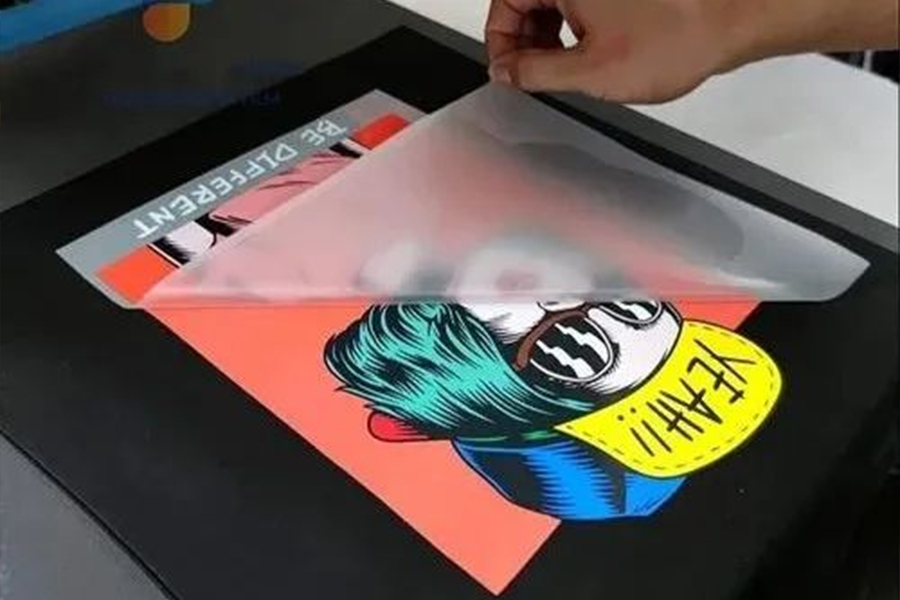
Heat transfer printing is a technique that transfers patterns or text onto a substrate surface using heat and pressure. The core of this technology lies in heat transfer inks and special transfer paper or film.
Transfer Process:
1. Dye Sublimation Transfer: Uses sublimation inks printed on special paper. High temperature and pressure cause the dye in the ink to sublimate (turn into gas) and penetrate into the substrate (typically polymers or polyester coatings).
2. Heat Transfer Vinyl/Decal: Involves printing a pattern on a PET film and coating the back with hot melt adhesive. Heat and pressure transfer both the pattern and the adhesive layer onto the substrate, creating a surface-layer image.
Materials:
* Transfer paper/film: Special paper or film coated with heat transfer ink, crucial for the process.
* Heat transfer ink: Contains dyes or pigments capable of sublimation or melting, along with binders and additives, used for printing on the transfer paper/film.
* Hot melt adhesive: Used for heat transfer vinyl/decal applications to firmly adhere the pattern to the substrate.
Process Flow:
1. Design the pattern and produce the transfer paper or film.
2. Adjust the heat transfer equipment to the appropriate temperature and pressure.
3. Align the transfer paper/film with the substrate and place it in the heat press.
4. Apply heat and pressure to transfer the dye into the substrate or to adhere the pattern via the hot melt adhesive.
5. After cooling, remove the finished product.
Characteristics:
* Wide applicability: Suitable for various materials like plastic, metal, ceramic, fabric, etc.
* Vibrant colors: Transferred patterns are rich in color with high fidelity.
* Strong durability: Patterns exhibit good wash and abrasion resistance.
* Simple operation: Suitable for small-batch production and personalized customization.
**Application Fields**
Due to its unique advantages, heat transfer printing is widely used in multiple industries.
* Apparel industry: Transferring personalized patterns and text onto T-shirts, caps, shoes, etc., to meet customization needs.
* Home decor: Transferring patterns onto mugs, plates, tiles, etc., enhancing product aesthetics and personalization.
* Promotional gifts: Creating personalized promotional items like pens, notebooks with company logos, enhancing corporate image.
* Electronics: Applying decorative patterns on phone cases, laptop shells, etc., boosting product appeal.
* Outdoor advertising: Transferring ad content onto billboards, banners, improving visual impact.
* Industrial manufacturing: Applying logos, warning labels on various industrial products, improving identification and safety.
* Anti-counterfeiting labels: Producing anti-counterfeiting labels and holograms for product security and brand protection.
Heat transfer printing plays an increasingly important role in the modern printing industry due to its flexible customization capabilities and wide applicability. With technological progress and market development, its application fields will continue to expand.
**7. Foil Stamping (Gold/Silver Stamping)**
**Stamping Process and Materials**
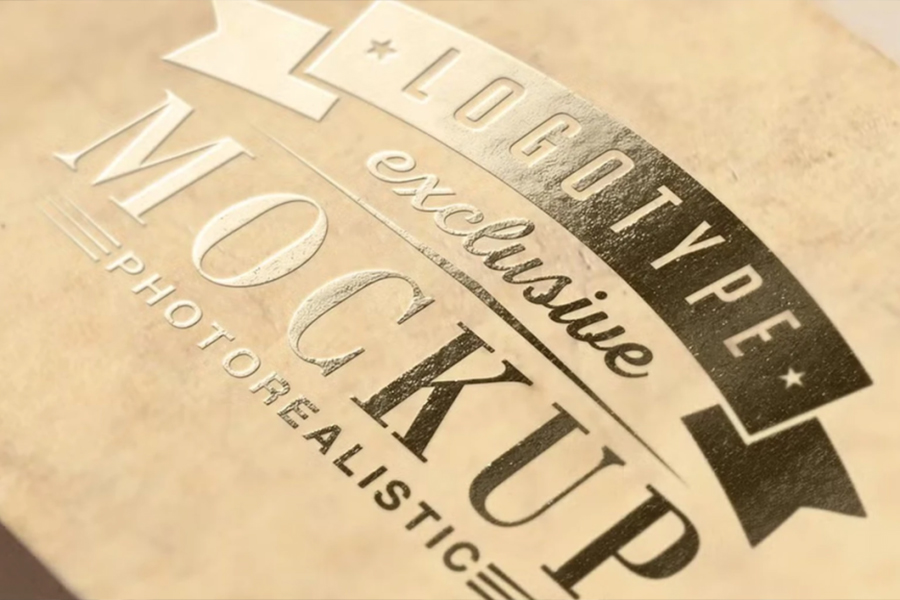
Foil stamping (or hot stamping) is a traditional printing decoration process. It involves applying metallic foil to paper or other substrates using heat and pressure, creating patterns or text with a metallic luster to enhance the print’s aesthetics and luxury feel.
Stamping Process:
1. Prepare the stamping die: The designed pattern is made into a metal die (stamping block) through engraving or chemical etching.
2. Position the foil: The foil is placed over the substrate, aligned with the intended pattern area.
3. Stamping: Heat and pressure are applied by the stamping machine, causing the adhesive layer on the foil to activate and bond the metallic layer to the substrate.
4. Cooling and peeling: After stamping, the product cools, and the excess foil carrier is peeled away, leaving the design.
Stamping Materials:
* Stamping foil: Typically consists of multiple layers: carrier film (e.g., PET), release layer, color layer (lacquer), metallic layer (e.g., vacuum-metallized aluminum), and adhesive layer.
* Stamping machine: Contains heating and pressure mechanisms for transferring the foil onto the substrate.
* Substrate: Can be paper, plastic, leather, fabric, etc.; different substrates may require different stamping conditions (temperature, pressure).
Stamping Effects:
* Metallic luster: Provides a unique metallic shine, giving prints a high-end, luxurious appearance.
* Three-dimensional effect: The stamped pattern often has a slight raised effect (depending on die depth/pressure), enhancing visual appeal.
* Anti-counterfeiting function: Special foil stamping techniques can be used for security labels and documents, improving product security.
**Stamping Effects and Applications**
Due to its unique decorative effects, foil stamping is widely used in many fields.
Application Fields:
* Luxury packaging: Enhances market positioning for high-end cosmetics, alcohol, tobacco, etc.
* Book covers: Used on hardcover and special edition books, increasing collectible value.
* Business printing: Elevates the formal and professional feel of business cards, invitations, certificates, etc.
* Apparel industry: Used on clothing labels and accessories, adding a fashionable touch.
* Electronics: Enhances the aesthetics and brand recognition of products like phone cases and laptop shells.
Market Trends:
* Growing personalized demand: Application in personalized prints will continue to grow with increasing consumer demand for customized products.
* Technological advancement: Continuous improvement, such as the development of cold foil transfer, making the process more environmentally friendly and efficient.
* Increased environmental awareness: Eco-friendly foils and processes will become more popular, reducing environmental impact.
* Web-to-print services: The rise of online printing platforms makes foil stamping services more convenient and accessible.
Foil stamping plays a significant role in the modern printing industry due to its unique metallic luster and high-end decorative effects. With technological progress and market development, its application fields will continue to expand.