

Cream-based cosmetics represent a major category within skincare products. This article briefly outlines the definition of cream-based cosmetic products and their packaging solutions. We will provide a summary analysis of product classification, packaging types, design logic, key procurement points, and the underlying reasons.
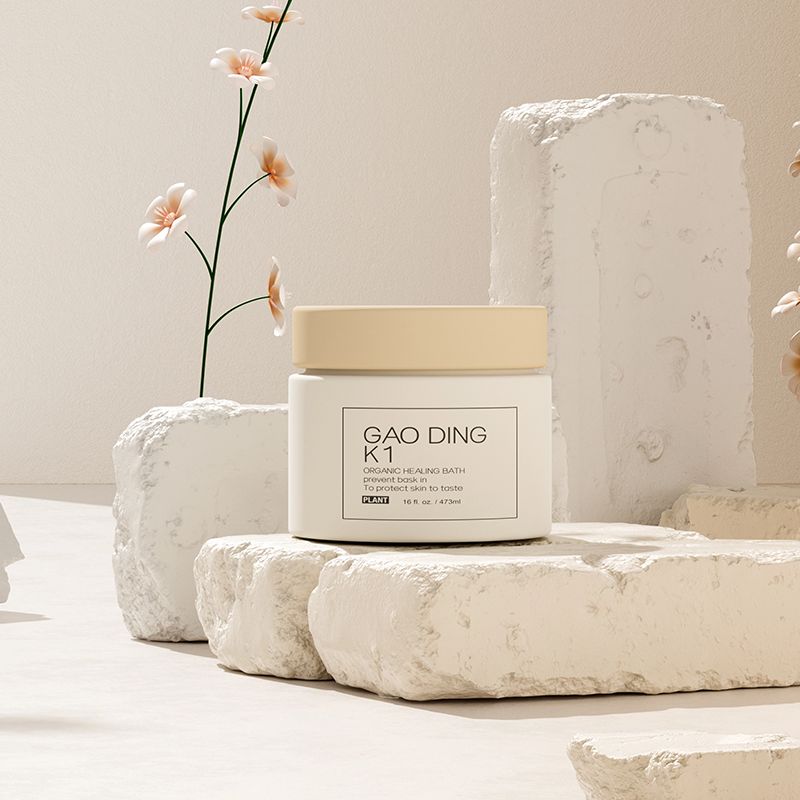
1. Definition of Cream-Based Cosmetics
Creams are high-viscosity, semi-solid emulsified systems with a significantly higher oil phase ratio than lotions (typically >30%). Their characteristics include:
★Physical State: Non-flowable at room temperature (viscosity > 100,000 mPa·s), requiring tools for application.
★ Structure Types: O/W (lightweight gel creams), W/O (cold creams), silicone-based (matte finish).
★ Failure Risks: Oil separation at high temperatures, water-oil separation at low temperatures, active ingredient degradation (due to oxygen permeation).
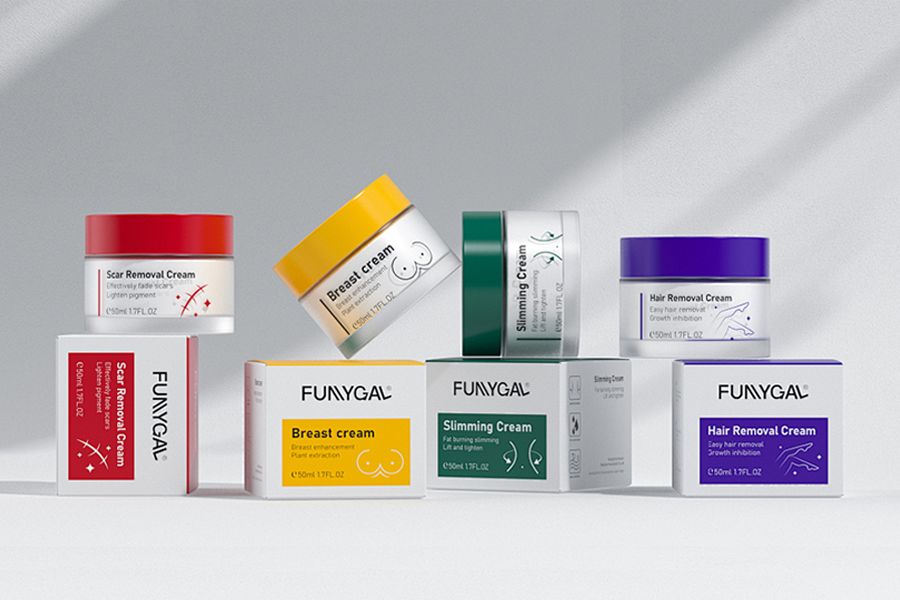
2. Representative Product Examples
| Category | Example Products | Oil Phase % | Core Packaging Challenge |
| Moisturizing Creams | Basic Nourishing Cream, Hyaluronic Acid Cream | 30%-50% | Prevent moisture evaporation, prevent microbial contamination |
| Efficacy Creams | Anti-Aging Firming Cream, VC Brightening Cream | 40%-60% | Oxygen barrier protection (vacuum/nitrogen flushing) |
| Special Textures | Sleeping Mask, Massage Cream | 50%-70% | Prevent residue of thick formula, wide opening for easy access |
| Dermatological Creams | Repair Cream, Acne Treatment Cream | 20%-40% | Prevent active ingredient migration, light-proof storage |
3. Packaging Solution Design for Creams
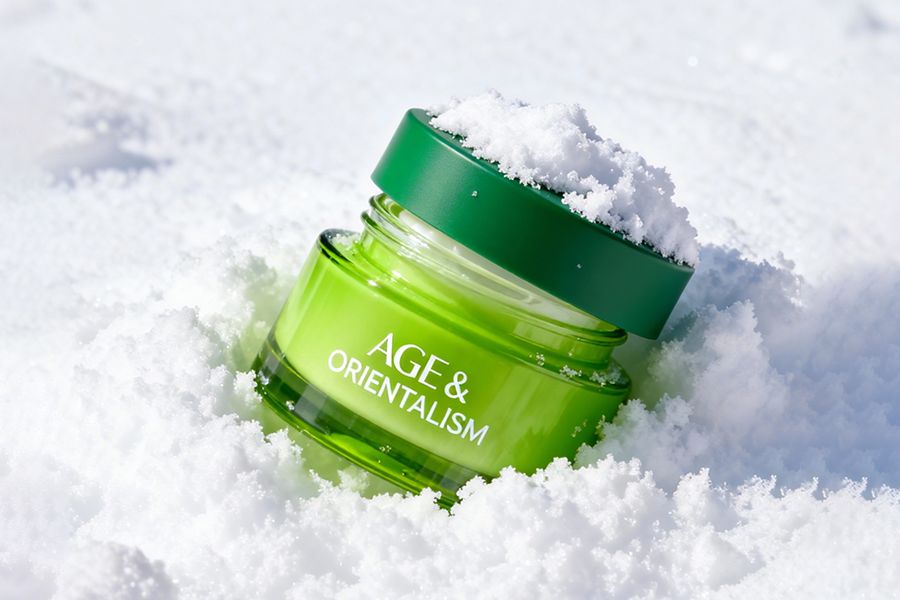
3.1. Packaging Type Technical Compatibility Chart
| Packaging Form | Structure Features | Suitable Cream Types | Selection Rationale | Limitations |
| Vacuum Jar | Glass/Plastic + piston seal | Premium Anti-Aging Creams | Oxygen barrier >99.5%, prevents product contact with air | Higher cost (+50% vs standard jar) |
| Aluminum Tube | Aluminum body + fine tip | Dermatological Repair Creams | 100% light-proof + high oxygen barrier, >98% yield | Prone to cracking, not suitable for high viscosity |
| Soft Plastic Jar | PP/PE jar + sealed inner lid | Basic Moisturizing Creams | Low cost ($0.05-0.1/unit), drop resistance | Poor oxygen barrier (OTR >5 cc/pkg·day) |
| Airless Pump Bottle | Pump + bag-in-ball/airless mechanism | Gel-type Sleeping Masks | Dispenses precise amount, prevents secondary contamination | Complex structure, >3% failure rate |
| Refillable System | Ceramic outer jar + PCR plastic inner | Luxury Brand Creams | Reduces plastic use by 70%, enhances brand premium | Inner seal requires extremely high precision |
3.2. Typical Technical Solution Examples:
★Retinol Anti-Aging Cream → Vacuum Glass Jar + Nitrogen Flushing (Oxygen barrier protection for actives)
★Salicylic Acid Acne Treatment Cream → Aluminum Tube + Internal Epoxy Coating (Acid resistance, 100% light protection)
★Clean Beauty Face Cream → Sugarcane-Based Plastic Jar + Plant-Based Ink Printing
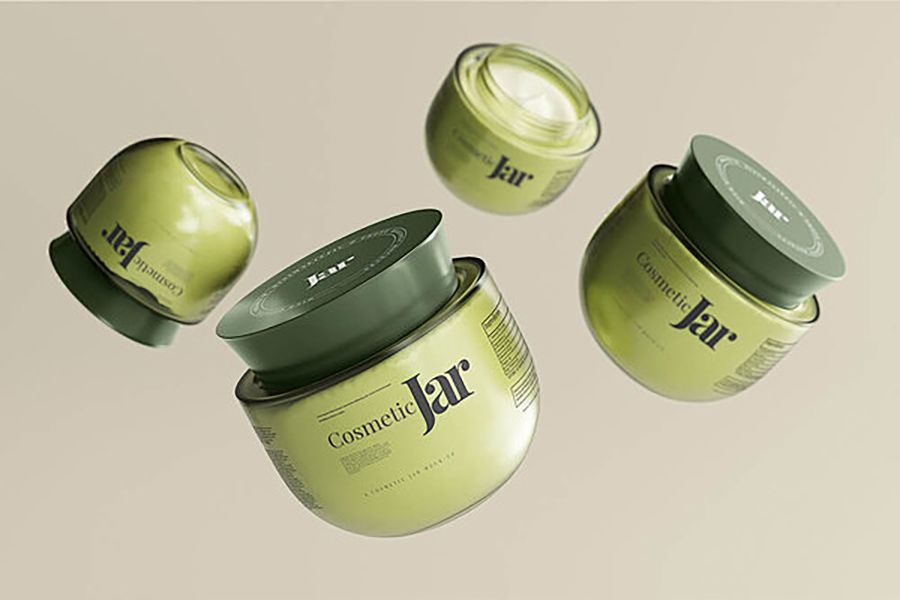
4. Key Procurement Points and Risk Control for Cream Packaging
4.1. Mandatory Quality Compliance Indicators
| Test Item | Acceptance Standard | Test Method | Consequence of Failure |
| Migration Testing | Heavy Metal Migration ≤0.1 ppm | EU 10/2011 | Safety violation, global product recall |
| Oxygen Transmission Rate (OTR) | <0.1 cc/pkg·day | ASTM D3985 | Oil rancidity, customer complaint rate ↑40% |
| Seal Integrity | No leakage at -80kPa vacuum | ASTM D4991 | Product spoilage, return losses >$3 million |
| Cap Compatibility | No swelling/cracking after 30 days contact | Accelerated testing | Seal failure leading to moisture evaporation |