

The surface treatment of cosmetic packaging materials is the result of the effective integration of colors, coatings, processes, and equipment. Different techniques create varied effects on the final packaging products. Let’s explore five common surface treatment methods to enhance our understanding of packaging printing technologies.
I. Spray Painting
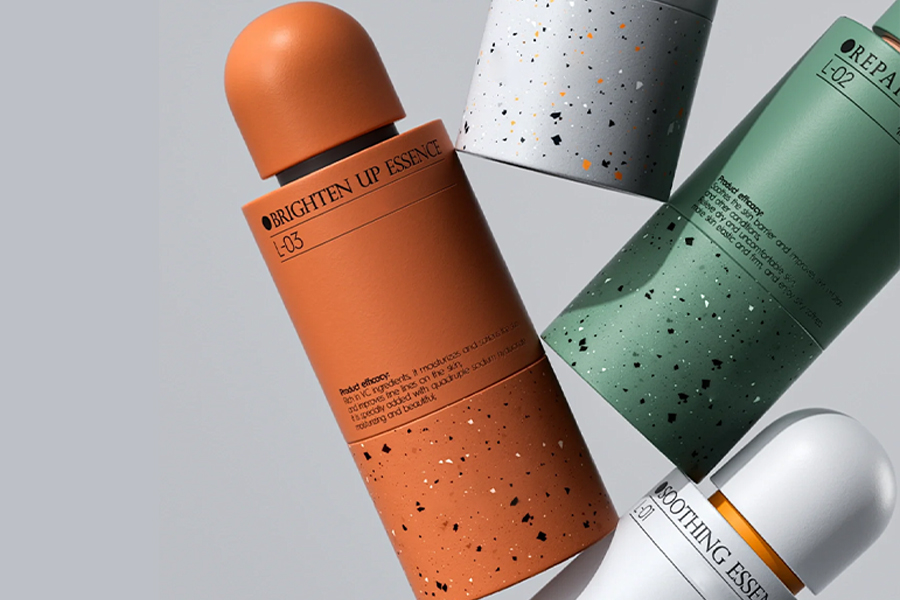
1. Spray painting is one of the most common surface treatments, suitable for both plastic and metal materials. It typically includes oil spraying and powder coating, with oil spraying being the most widely used. The coating used is commonly known as paint, which consists of resins, pigments, solvents, and other additives. Plastic spray painting usually involves two layers: the topcoat, which provides the visible color, and a transparent protective layer on the surface known as the clear coat.
2. Spray Painting Process:
1) Pre-treatment cleaning: e.g., electrostatic dust removal.
2) Applying the topcoat: This layer provides the visible color.
3) Drying the topcoat: Can be air-dried at room temperature or baked in a dedicated oven.
4) Cooling the topcoat: Required if oven-baked.
5) Applying the clear coat: A transparent layer used to protect the topcoat.
6) Curing the clear coat.
7) QC inspection: Checking whether the finish meets requirements.
3. UV Coating
1) UV coating refers to ultraviolet curing coating. The commonly used UV wavelength range is 200–450 nm. UV coatings only cure under ultraviolet light.
2) Characteristics of UV coating: Transparent and glossy, high hardness, fast curing, high production efficiency, protects the topcoat, and enhances surface hardness and brightness.
II. Silk Screen Printing
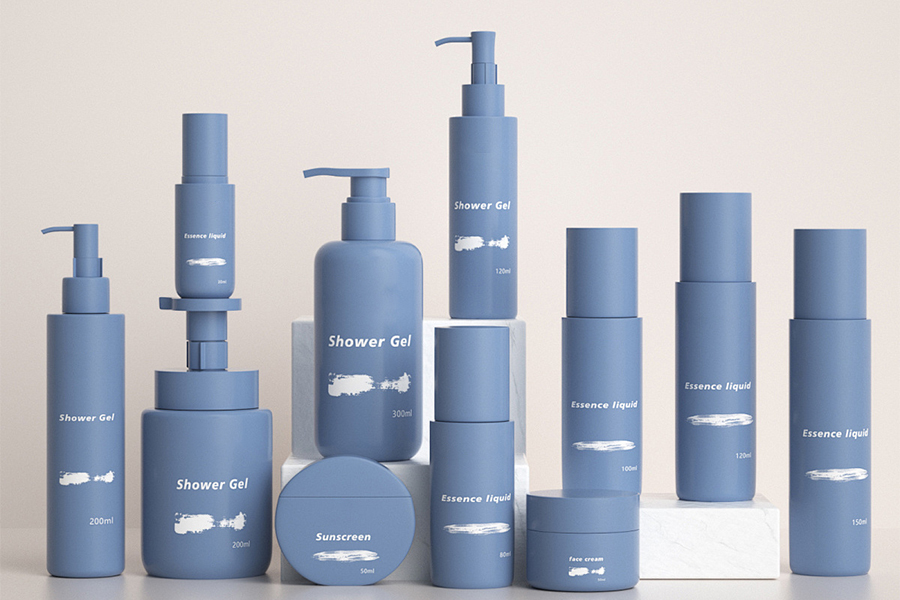
Silk Screen printing is an ancient yet widely used printing method.
1) A squeegee is used to apply ink onto the screen.
2) The squeegee is then moved at a fixed angle to spread the ink evenly, allowing it to permeate through the screen and transfer the pattern onto the substrate. This process can be repeated for multiple prints.
3) The screen can be reused after cleaning.
Applications of screen printing: Paper printing, plastic printing, wood product printing, glass and ceramic printing, leather product printing, etc.
III. Heat Transfer Printing
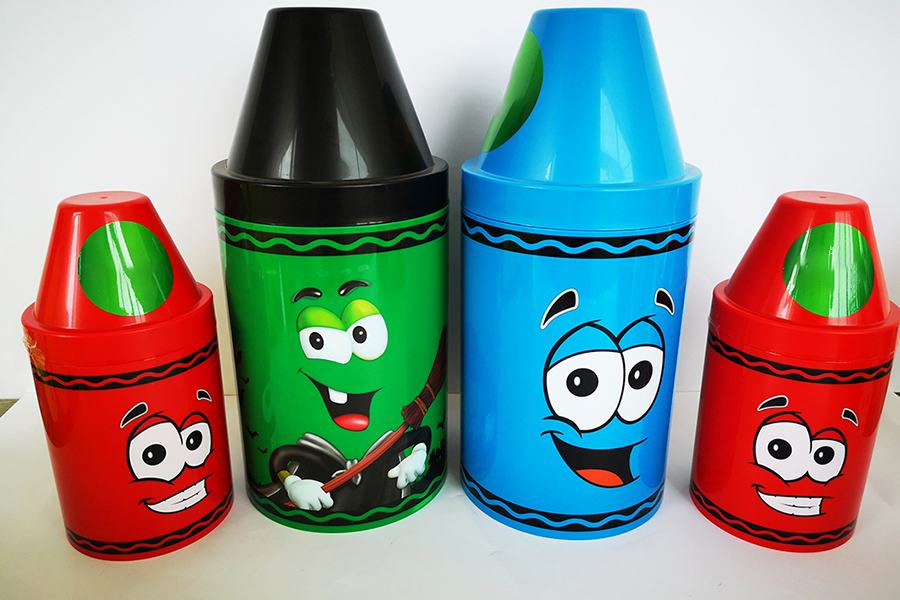
1. Heat transfer printing is a relatively new technology introduced to the industry just over a decade ago. The process consists of two parts: transfer film printing and transfer processing. Transfer film printing uses halftone dot printing (with a resolution of up to 300 dpi) to pre-print patterns onto a film surface. This method offers rich layers, vibrant colors, minimal color difference, and excellent reproducibility, meeting designers’ requirements and supporting mass production. The transfer process involves using a heat press machine to transfer the pattern from the film to the product surface through heat and pressure. Once completed, the ink layer integrates seamlessly with the product surface, creating a realistic and high-quality finish that enhances the product’s appeal. However, due to its technical complexity, many materials still need to be imported.
2. Heat transfer printing is applied to various surfaces such as ABS, PP, plastic, wood, and coated metals. Custom-designed transfer films can be produced based on client requirements, and patterns are transferred onto workpieces via heat pressing to elevate the product’s quality. This technology is widely used in industries including plastics, cosmetics, toys, electronics, construction materials, gifts, food packaging, and stationery.
IV. Sandblasting
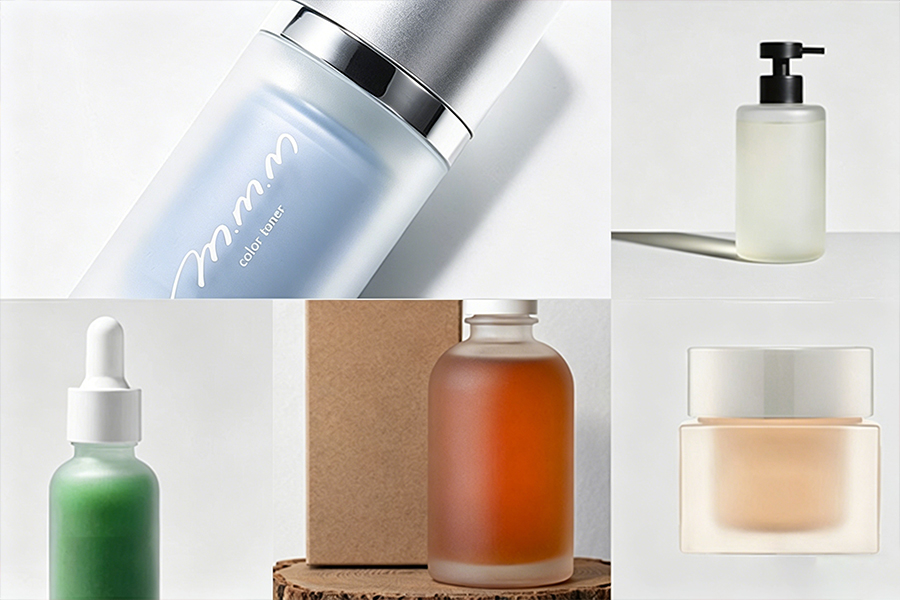
Sandblasting is a process that uses high-speed sand flow to clean and roughen substrate surfaces. Compressed air propels abrasives (such as copper slag, quartz sand, emery, iron sand, or Hainan sand) at high speed onto the workpiece surface. This impact alters the surface profile, removing contaminants and creating varying degrees of roughness. The process improves the mechanical properties of the surface, enhances fatigue resistance, increases coating adhesion, extends the durability of the coating, and improves the flow and decoration of coatings.
Applications of Sandblasting:
1) Pre-treatment for coating and bonding: Sandblasting removes rust and contaminants from workpiece surfaces, creating a textured surface (commonly known as a “matte finish”). Different levels of roughness can be achieved by using abrasives of varying grit sizes, significantly improving adhesion for coatings or bonds.
2) Cleaning and polishing castings and heat-treated workpieces: Sandblasting removes all contaminants (e.g., scale, oil residues) from castings and heat-treated parts, polishes the surface, and reveals a uniform metallic finish, enhancing appearance.
3) Deburring and surface beautification: Sandblasting removes micro-burrs from workpiece surfaces, creating a smoother finish and eliminating the hazards of burrs. It can also create small rounded edges at surface junctions, giving the workpiece a more refined and precise look.
4) Improving mechanical properties: Sandblasting creates uniform micro-concavities on mechanical parts, which help retain lubricants, improve lubrication conditions, reduce noise, and extend service life.
5) Finishing effects: For special-purpose workpieces, sandblasting can achieve various reflective or matte effects. Examples include polishing stainless steel and plastic items, glossing jade, matte finishing wooden furniture, creating patterns on frosted glass, and texturing fabric surfaces.
V. Foil Stamping
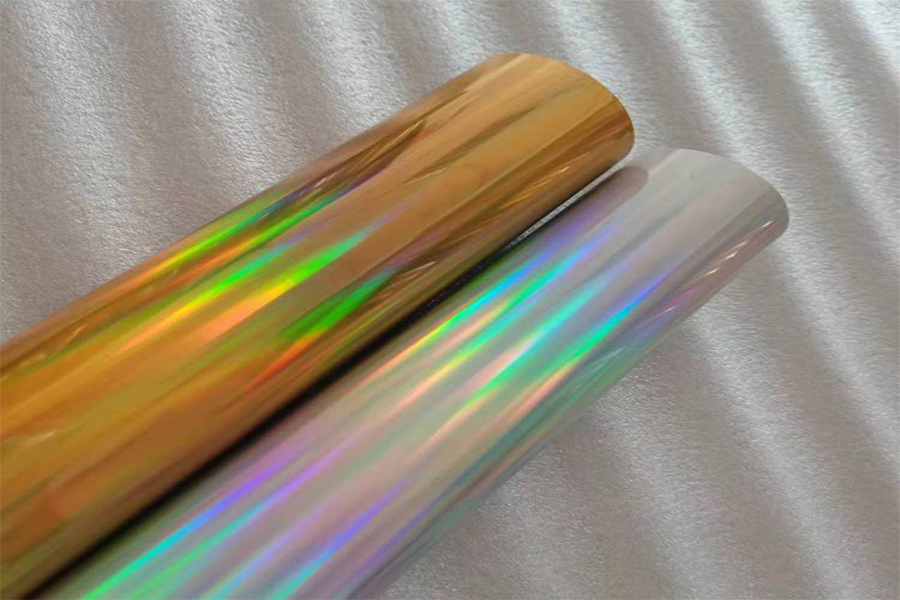
1. Foil stamping, commonly known as hot stamping, is a special printing process that does not use ink. It involves heating a metal stamping die and applying foil to imprint gold or other metallic patterns onto printed materials. With the rapid development of stamping foils and the packaging industry, the application of hot stamping with electroplated aluminum has become increasingly widespread.
2. The foil stamping process operates on the principle of heat and pressure transfer. The aluminum layer in the electroplated aluminum foil is transferred to the substrate surface, creating a distinctive metallic effect. Since the primary material used is electroplated aluminum foil, the process is also known as electroplated aluminum stamping. Electroplated aluminum foil typically consists of multiple layers, with PE as the base material, followed by a release layer, color layer, metal layer (aluminum plating), and adhesive layer.
The basic process involves applying pressure where the electroplated aluminum foil is pressed between the stamping die and the substrate. Heat causes the thermally soluble silicone resin and adhesive layers to melt. The silicone resin becomes less viscous, while the special thermosensitive adhesive becomes more sticky, allowing the aluminum layer to separate from the base film and transfer to the substrate. Once pressure is released, the adhesive quickly cools and solidifies, firmly adhering the aluminum layer to the substrate and completing the stamping process.
- Foil stamping serves two main functions: First, it enhances surface decoration and increases product value. Combined with other techniques like embossing, it creates striking decorative effects. Second, it provides anti-counterfeiting features, such as using holographic positioning stamping for trademarks and logos. Stamped patterns are clear, aesthetically pleasing, vibrant, wear-resistant, and weather-resistant. Currently, over 85% of cigarette packaging utilizes foil stamping. In graphic design, foil stamping adds a highlight effect, emphasizing the design theme, making it particularly suitable for decorating trademarks and brand names.
Ⅵ.Okay, here is the translation of the provided text into idiomatic English for the cosmetics packaging industry.
VI. Electroplating
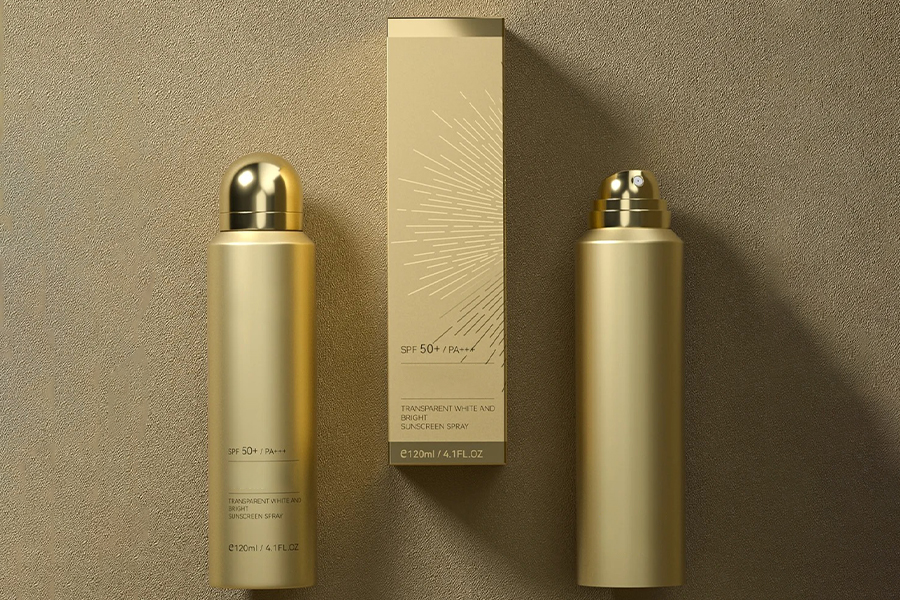
1. Main Characteristics of the Electroplating Process
The electroplating process delivers a intense metallic luster with vibrant, fade-resistant colors. Its brilliance significantly surpasses that of gold or silver printing, giving products a high-end feel and aesthetic appeal. Simultaneously, the electroplated aluminum offers excellent physical and chemical properties, which helps protect the printed product.
2. Electroplating Process Flow
The electroplating process typically consists of three stages: pre-treatment, electroplating itself, and post-plating treatment. Below is the typical workflow:
1) Pre-treatment: This is a crucial step to ensure the substrate surface is clean and free of contaminants, guaranteeing excellent coating adhesion. It primarily includes:
2) Abrasive pre-cleaning: Removes surface burrs and impurities.
3) Degreasing: Eliminates oil and grease.
4) Acid dipping (Pickling) and Activation: Prepares the surface for better coating adhesion.
5) Water Rinsing: Multiple rinses ensure a thoroughly clean surface.
6) For plastic parts (e.g., ABS): Pre-treatment also involves chemically etching away specific components (e.g., butadiene in ABS), creating micro-porosity on the product surface to facilitate subsequent conductor adhesion.
7) Neutralization Rinse: Adjusts the surface pH level.
8) Electroplating (Strike Layer): Often involves depositing an initial layer (e.g., copper) to enable conductivity and prepare the surface for the final plating.
9) Water Rinsing: Rinses off excess plating solution.
10) Electroplating (Top Layer): Deposits the final metal layer (e.g., chromium, nickel, gold, silver) as required.
11) Final Rinsing and Post-Treatment:
12) Deionized (DI) Water Rinse / Dehydration: Removes water residues.
13) Drying/Curing: Ensures the coating is completely dry and cured.
14) Coating Curing (if applicable): Some processes require additional curing (e.g., via heat or UV irradiation) to ensure stable coating performance.
3. Application Scope
Electroplating is widely used in cosmetics packaging. However, the plating layer must not directly contact the contents. Therefore, its primary use is for:
1) External components: Lipstick cases, bottle cap shells – enhances exterior texture and brand image.
2) Various cosmetic tool components: Such as mascara tubes, bottle bodies, and outer caps.
3) Packaging decoration and logos: Used for external branding and decorative elements on high-end cosmetics.
4. Key Considerations
1) For plastic substrates: Materials with poor adhesion, like PP (Polypropylene), often require the use of PP-specific vacuum plating primers or flame treatment to modify surface polarity, enhance adhesion, and prevent coating peeling.
2) UV Electroplating Technology: This is a relatively new technique. By optimizing coating process parameters, it can significantly enhance product gloss and dramatically improve the bonding strength between the coating and the plastic substrate.
3) Vacuum Plating (PVD): Vacuum plating is conducted in a high-vacuum environment. It imparts a unique metallic luster and texture to materials, and the resulting layers exhibit excellent wear resistance, corrosion resistance, and weatherability.
4) Balancing Design and Cost: Electroplating processes, especially high-quality and environmentally compliant ones, are relatively costly. Product design must carefully balance the desired aesthetic effect with cost considerations.